
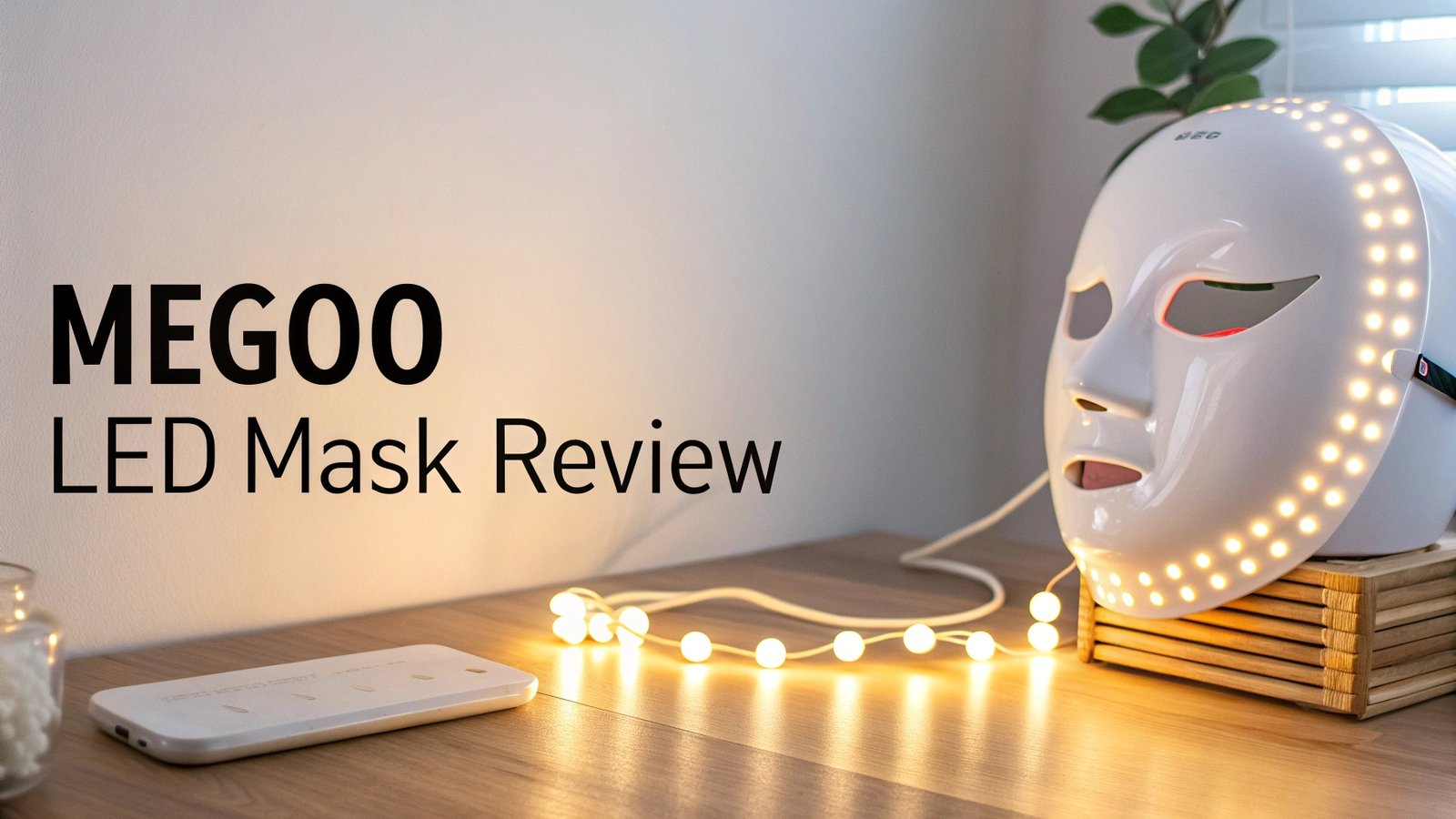
Are you tired of expensive spa treatments and looking for professional-grade skincare results from the comfort of your home?
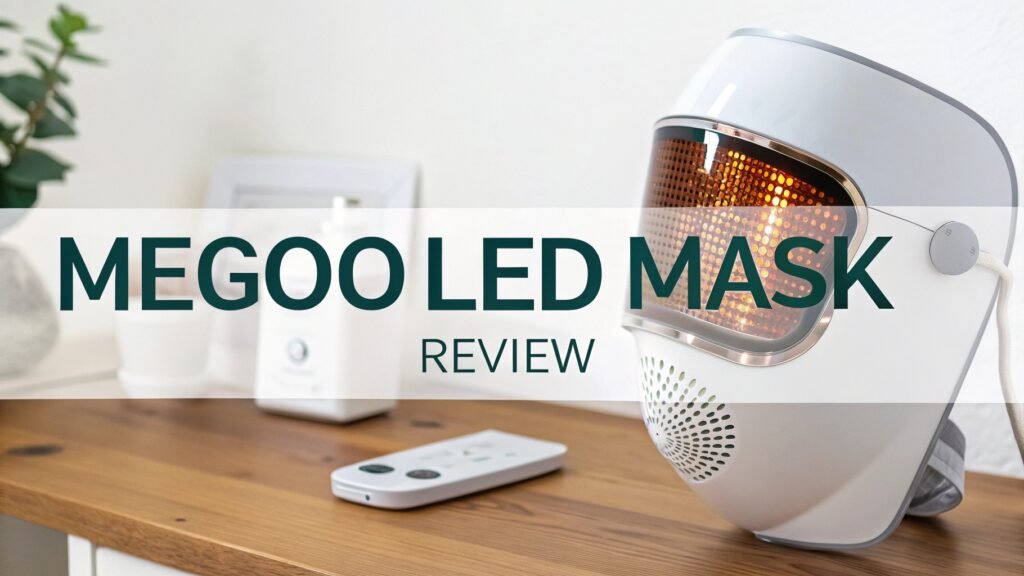
LED face masks have revolutionized at-home beauty treatments, and Megoo LED masks stand out as one of the most popular choices on Amazon.
This comprehensive review explores everything you need to know about these innovative devices that promise younger-looking skin through scientifically-proven red light therapy.
Key Takeaways:
- Proven Science: Red light therapy stimulates collagen production and reduces inflammation through specific wavelengths (660nm-850nm) that penetrate skin layers safely and effectively
- Multiple Benefits: LED masks address various skin concerns including acne, fine lines, wrinkles, hyperpigmentation, and overall skin tone improvement in one convenient device
- Cost-Effective Solution: Replace expensive spa treatments with at-home sessions that cost pennies per use, providing professional-grade results without recurring appointments
- Time-Efficient Treatment: Most sessions require only 10-20 minutes daily, making it easy to incorporate into busy schedules while watching TV or relaxing
- Safety Profile: FDA-cleared devices offer non-invasive treatment with minimal side effects when used according to manufacturer instructions and safety guidelines
- Visible Results Timeline: Users typically see initial improvements in 4-6 weeks with continued enhancement over 3-6 months of consistent use


Best LED Face Mask Light Therapy Device
This comprehensive LED face mask delivers professional-grade light therapy with 400 LEDs spanning multiple wavelengths. The device features four distinct modes targeting different skin concerns, from anti-aging red light to acne-fighting blue light therapy. Users appreciate the 2000mAh rechargeable battery that provides multiple sessions without constant charging.
The mask incorporates 850nm near-infrared light alongside traditional red light wavelengths, penetrating deeper into skin layers for enhanced collagen stimulation. The comfortable silicone construction fits various face shapes while ensuring proper light distribution across treatment areas. Many reviewers report visible improvements in skin texture and tone within the first month of consistent use.
The included remote control simplifies operation, allowing users to adjust settings without removing the mask during treatment. The device’s lightweight design makes it comfortable for extended wear, while the adjustable timer function prevents overexposure. Professional aestheticians often recommend similar wavelength combinations for their proven effectiveness in clinical settings.
Safety features include automatic shutoff and eye protection, addressing common concerns about LED light exposure. The mask’s durability ensures long-term value, with many users reporting consistent performance after months of regular use. Customer support provides detailed usage instructions and troubleshooting assistance for optimal results.
Red Light Therapy Face Mask with Near-Infrared Technology
No products found.
This advanced red light therapy mask combines 660nm red light with 850nm near-infrared wavelengths for comprehensive skin treatment. The dual-wavelength approach targets both surface-level concerns like acne and deeper issues including fine lines and skin elasticity. The included storage bag enhances portability for travel or convenient storage.
Users consistently praise the mask’s ergonomic design that accommodates different facial structures without compromising light coverage. The adjustable timer prevents overexposure while ensuring adequate treatment duration for optimal results. The 2000mAh battery capacity supports multiple sessions between charges, making it convenient for daily use.
The device’s three treatment modes cater to various skin concerns, allowing users to customize their skincare routine based on specific needs. Clinical studies support the effectiveness of these specific wavelengths for stimulating cellular regeneration and improving overall skin health. Many users report reduced inflammation and improved skin clarity within weeks of starting treatment.
The mask’s LED distribution ensures uniform light coverage across the entire treatment area, preventing hot spots or undertreated zones. Professional-grade construction materials resist wear from regular use while maintaining optimal light output over time. The manufacturer’s warranty provides additional peace of mind for this significant skincare investment.
7-Color LED Face Mask for Comprehensive Treatment
No products found.
This versatile LED mask offers seven different light colors, each targeting specific skin concerns through scientifically-proven wavelengths. Red light addresses aging concerns, blue light fights acne-causing bacteria, and additional colors provide specialized treatments for various skin conditions. The comprehensive approach appeals to users with multiple skincare goals.
The mask’s lightweight construction ensures comfortable wear during treatment sessions, while the intuitive controls simplify operation for users of all technical backgrounds. Regular users report improvements in skin tone uniformity and reduced appearance of blemishes across different skin types. The device’s energy efficiency maximizes battery life while maintaining therapeutic light intensity.
Pink light therapy, a unique feature of this mask, targets sensitive skin areas with gentle treatment that promotes healing without irritation. Users with rosacea or sensitive skin conditions often find this wavelength particularly beneficial. The mask’s adjustable straps accommodate various head sizes for secure, comfortable positioning during treatment.
The device includes detailed instructions explaining each color’s specific benefits and recommended usage patterns. Many users create personalized treatment schedules combining different colors based on their evolving skin needs. The mask’s durability ensures consistent performance throughout extended use periods, making it a worthwhile investment for long-term skincare goals.
Top 3 Alternatives to Megoo LED Masks
For users seeking alternatives to standard Megoo LED masks, these highly-rated options provide comparable or enhanced features at different price points.

This professional-grade alternative features 180 LED beads with three specialized modes targeting different skin concerns. The device’s near-infrared 850nm capability penetrates deeper than surface-level treatments, promoting enhanced collagen production and cellular repair. Users appreciate the precision timing function that ensures consistent treatment duration.

The FOLOKE mask extends treatment coverage to include the neck and décolletage area, addressing aging concerns beyond just the face. USB-C charging provides convenient power management, while the mask’s ergonomic design ensures comfortable wear during treatment sessions. Many users prefer the extended coverage for comprehensive anti-aging results.
No products found.
This budget-friendly option delivers seven plus one color combinations at an accessible price point without sacrificing essential features. The portable design appeals to users who travel frequently or prefer compact skincare devices. Despite the lower cost, users report satisfactory results comparable to more expensive alternatives.
Understanding LED Light Therapy Science
LED light therapy operates through photobiomodulation, a process where specific light wavelengths penetrate skin layers and stimulate cellular activity. Red light wavelengths between 660-700nm primarily target the dermis layer, promoting collagen synthesis and reducing inflammation. Near-infrared light (800-850nm) penetrates even deeper, reaching muscle tissue and promoting enhanced circulation.
Scientific research demonstrates that consistent LED exposure triggers mitochondrial activity within skin cells, essentially energizing cellular repair processes. This increased cellular energy production leads to accelerated healing, improved skin texture, and enhanced overall skin health. Clinical studies show measurable improvements in skin elasticity and wrinkle reduction after 8-12 weeks of regular treatment.
The non-thermal nature of LED therapy distinguishes it from laser treatments, eliminating risks of burns or tissue damage while providing therapeutic benefits. Professional dermatologists increasingly recommend LED therapy as a safe, effective complement to traditional skincare routines. The treatment’s compatibility with most skincare products makes it easy to integrate into existing beauty regimens.
Different wavelengths target specific skin concerns through distinct biological pathways. Blue light (415nm) effectively eliminates acne-causing bacteria without antibiotic resistance concerns, while green light (525nm) addresses hyperpigmentation by targeting melanin production. This wavelength specificity allows users to customize treatments based on their primary skin concerns.
Benefits of Regular LED Mask Usage
Consistent LED mask usage delivers cumulative benefits that compound over time, making regular sessions more effective than sporadic treatments. Users typically notice initial improvements in skin brightness and texture within 2-3 weeks, with more significant changes in fine lines and elasticity appearing after 6-8 weeks of daily use.
Collagen stimulation represents one of the most significant long-term benefits of LED therapy, with studies showing increased collagen density after 12 weeks of consistent treatment. This enhanced collagen production leads to firmer, more resilient skin that better resists environmental damage and aging factors. Many users report improved skin thickness and reduced appearance of age spots.
The anti-inflammatory effects of red light therapy help calm sensitive skin and reduce redness associated with conditions like rosacea or post-acne inflammation. Regular treatments can minimize the frequency and severity of breakouts while promoting faster healing of existing blemishes. Users with chronic skin conditions often experience significant improvement in overall skin comfort.
LED therapy’s non-invasive nature allows for daily use without the downtime associated with more aggressive treatments. This convenience factor encourages consistent use, which directly correlates with better results. Many users find LED sessions relaxing and incorporate them into evening routines as a form of self-care that provides tangible skincare benefits.
Safety Considerations and Best Practices
Proper eye protection remains crucial during LED mask treatments, even though quality devices include built-in eye shields or recommend closing eyes during sessions. Users should never look directly at LED lights during operation and should discontinue use if experiencing eye discomfort or visual changes. Most manufacturers provide specific eye safety guidelines in their user manuals.
Certain medications increase photosensitivity, potentially causing adverse reactions to LED light exposure. Users taking antibiotics, retinoids, or other photosensitizing medications should consult healthcare providers before beginning LED therapy. Pregnant women should also seek medical advice before using LED devices, though current research suggests minimal risk.
Skin cleanliness significantly impacts treatment effectiveness, as dirt, oil, or skincare products can block light penetration or cause uneven results. Users should thoroughly cleanse skin before each session and avoid applying products immediately before treatment. Some skincare ingredients may react poorly to LED exposure, potentially causing irritation or reduced effectiveness.
Starting with shorter treatment durations allows skin to acclimate to LED therapy gradually, reducing risks of irritation or adverse reactions. Most manufacturers recommend beginning with 10-minute sessions and gradually increasing to 20 minutes as skin tolerance develops. Users with sensitive skin should consider even shorter initial sessions and monitor their skin’s response carefully.
Choosing the Right LED Mask for Your Skin Type
Sensitive skin types benefit most from masks offering adjustable intensity settings and shorter treatment cycles. Users with rosacea or easily irritated skin should prioritize devices with gentle wavelengths and avoid blue light, which can be more aggressive than red light therapy. Starting with red light only often provides the best results for sensitive skin conditions.
Oily and acne-prone skin responds well to combination treatments using both red and blue light wavelengths. Blue light effectively targets acne bacteria, while red light reduces inflammation and promotes healing of existing blemishes. Users with severe acne should consider masks offering higher LED density for more intensive treatment coverage.
Mature skin with established aging signs requires masks with near-infrared capabilities (850nm) for deeper penetration and enhanced collagen stimulation. These wavelengths reach deeper skin layers where age-related changes occur, providing more comprehensive anti-aging benefits than surface-level treatments alone.
Combination skin types benefit from masks offering multiple treatment modes or zone-specific capabilities. Some advanced masks allow users to activate different sections independently, enabling targeted treatment of various skin concerns within a single session. This flexibility accommodates the varying needs of different facial areas.
Cost Analysis and Value Comparison
LED masks represent significant upfront investment but provide substantial long-term savings compared to professional treatments. A single professional LED session typically costs $75-150, while quality home devices pay for themselves within 3-6 months of regular use. High-end masks may seem expensive initially but offer years of treatment capability.
Professional-grade devices often justify higher prices through superior LED quality, broader wavelength ranges, and enhanced durability. Cheaper alternatives may sacrifice LED lifespan or treatment effectiveness, potentially requiring earlier replacement. Users should consider cost-per-treatment over the device’s expected lifespan rather than focusing solely on purchase price.
Many users find that consistent home treatments produce better results than sporadic professional sessions due to the cumulative nature of LED therapy benefits. The convenience of home use encourages regular treatment schedules that maximize therapeutic effects. Professional treatments may provide stronger individual sessions but lack the consistency possible with home devices.
Warranty coverage and customer support add significant value to LED mask investments, particularly for expensive devices. Quality manufacturers offer comprehensive warranties and responsive technical support to address usage questions or device issues. This support infrastructure justifies premium pricing for established brands versus unknown manufacturers.
Treatment Protocols and Scheduling
Daily treatment schedules provide optimal results for most skin concerns, with sessions lasting 10-20 minutes depending on device specifications and skin sensitivity. Users should maintain consistent timing, as cellular responses to LED therapy follow predictable patterns that benefit from regular stimulation. Morning or evening sessions work equally well based on personal preferences.
Progressive treatment intensity helps skin acclimate to LED therapy while maximizing benefits over time. First-time users should begin with shorter sessions (8-10 minutes) and gradually increase duration as skin tolerance develops. Advanced users may extend sessions to manufacturer-recommended maximums for enhanced results.
Combination therapy approaches incorporate LED treatments with complementary skincare practices for amplified benefits. Many users combine LED sessions with facial massage, hydrating masks, or specific serums designed to enhance light therapy effectiveness. Timing these combinations properly maximizes absorption and cellular response.
Results tracking helps users optimize their treatment protocols based on observed skin changes and response patterns. Taking regular photos, monitoring skin texture, and noting improvements in specific concerns guides protocol adjustments for better outcomes. Many users keep treatment journals documenting their LED therapy journey and results.
Common Mistakes to Avoid
Inconsistent usage patterns represent the most common factor limiting LED therapy success, as cellular benefits require regular stimulation to maintain improvements. Users who skip sessions or use devices sporadically often report disappointing results compared to those maintaining daily routines. Consistency trumps intensity for long-term success.
Overuse or excessive treatment duration can potentially cause skin irritation or diminished results through cellular overstimulation. Following manufacturer guidelines for session length and frequency prevents adverse effects while ensuring optimal therapeutic benefits. More treatment does not necessarily equal better results in LED therapy.
Neglecting proper skin preparation reduces treatment effectiveness and may contribute to uneven results or skin reactions. Users should remove makeup, cleanse thoroughly, and avoid applying products that might interfere with light penetration. Proper preparation maximizes light absorption and cellular response.
Unrealistic expectations or impatience lead many users to discontinue LED therapy before experiencing significant benefits. Visible improvements typically require 4-8 weeks of consistent use, with continued enhancement over several months. Understanding realistic timelines helps users maintain motivation during initial treatment periods.
Maintenance and Longevity Tips
Regular cleaning protocols maintain LED mask hygiene and prevent bacterial buildup that could cause skin reactions or device damage. Users should follow manufacturer cleaning instructions, typically involving gentle antibacterial wipes or solutions designed for electronic devices. Proper storage in provided cases protects LEDs from damage.
Battery maintenance significantly impacts device longevity and performance consistency. Users should follow charging guidelines, avoid complete battery depletion, and store devices with partial charges for extended periods. Quality masks often provide 2-3 years of regular use with proper battery care.
LED replacement considerations become relevant for intensive users or aging devices showing diminished light output. Some manufacturers offer LED replacement services, while others design masks as complete unit replacements. Understanding replacement options influences initial purchase decisions for long-term users.
Performance monitoring helps users identify when masks require maintenance or replacement through tracking treatment effectiveness over time. Gradual result diminishment may indicate LED degradation or the need for device servicing. Regular performance assessment ensures continued treatment effectiveness.
Professional vs. Home Treatment Comparison
Professional LED treatments typically provide higher light intensity and broader wavelength coverage but lack the consistency possible with daily home use. Professional sessions cost significantly more per treatment while requiring scheduling and travel time that many users find inconvenient. However, professional treatments may achieve faster initial results.
Home device convenience enables consistent daily treatments that professional schedules cannot match, leading to better long-term results through regular cellular stimulation. Users can incorporate LED sessions into existing routines without scheduling constraints or additional travel time. This convenience factor often determines overall treatment success.
Treatment customization proves easier with home devices, as users can adjust protocols based on skin response and changing needs. Professional treatments follow standardized protocols that may not address individual skin variations or preferences. Home use allows experimentation with timing, duration, and treatment combinations.
Cost effectiveness strongly favors home devices for users committed to long-term LED therapy, with professional treatments becoming prohibitively expensive over time. Quality home masks typically pay for themselves within 3-6 months of use while providing years of continued treatment capability. Professional treatments remain cost-effective only for occasional or trial use.
Frequently Asked Questions
How long does it take to see results from LED mask treatments?
Most users notice initial improvements in skin brightness and texture within 2-3 weeks of daily use. More significant changes in fine lines, wrinkles, and overall skin quality typically appear after 6-8 weeks of consistent treatment. Clinical studies show continued improvement over 3-6 months, with optimal results requiring patience and regular use.
Are LED face masks safe for all skin types?
LED masks are generally safe for most skin types when used according to manufacturer instructions. However, individuals with photosensitive conditions, certain medications, or pregnant women should consult healthcare providers before beginning treatment. Starting with shorter sessions helps identify any sensitivity issues before progressing to full treatment protocols.
Can I use skincare products with LED mask treatments?
Clean, product-free skin provides optimal LED light penetration and treatment effectiveness. Users should cleanse thoroughly before sessions and avoid applying products that might block light absorption. Skincare routines can resume after LED treatments, with many products actually absorbing better into freshly treated skin.
How often should I use an LED face mask?
Daily treatments typically provide optimal results for most skin concerns, with sessions lasting 10-20 minutes depending on device specifications. Users should follow manufacturer recommendations and start with shorter durations to assess skin tolerance. Consistency proves more important than session length for achieving desired results.
Do LED masks work for acne treatment?
Blue light wavelengths (415nm) effectively eliminate acne-causing bacteria without contributing to antibiotic resistance. Combined red and blue light treatments address both bacterial causes and inflammatory responses associated with acne. Many users report significant improvement in breakout frequency and severity within 4-6 weeks of consistent use.
What’s the difference between red and near-infrared light?
Red light (660-700nm) primarily targets surface skin layers for collagen stimulation and inflammation reduction. Near-infrared light (800-850nm) penetrates deeper tissues, reaching muscle and promoting enhanced circulation. Many effective masks combine both wavelengths for comprehensive treatment addressing various skin concerns simultaneously.